Acute diarrhea: Causes and dietary advice

What is diarrhea?
Diarrhea is a condition characterised by loose, watery stools that occur more frequently than normal. It develops when the intestines move their contents too quickly, reducing the time available for water to be absorbed back into the body. Acute diarrhea usually lasts from a few days up to one week and can have several causes.
Causes
The most common cause worldwide is infection, for example viral infections such as norovirus or rotavirus, bacterial infections from contaminated food or water (such as Salmonella or Campylobacter), and parasitic infections. Other causes include:
Stress
Different forms of stress cause certain stress hormones in the body to be secreted, such as adrenaline. Stress hormones affect the muscles in the intestines and can make them work faster than usual. When digestion is faster, less fluid is also absorbed, which in turn causes loose stools and sometimes the need to empty the bowel also increases more often, which can lead to acute diarrhea.
Stomach ailments and allergies
Stomach ailments and allergies are also possible causes of acute diarrhea, but we can probably rule these out based on your problems. Some women get diarrhea during menstruation (while others become constipated). Another common cause of diarrhea is poor eating habits such as not chewing properly, eating too fast or eating too large portions.
General dietary advice for acute diarrhea
Eat more fiber
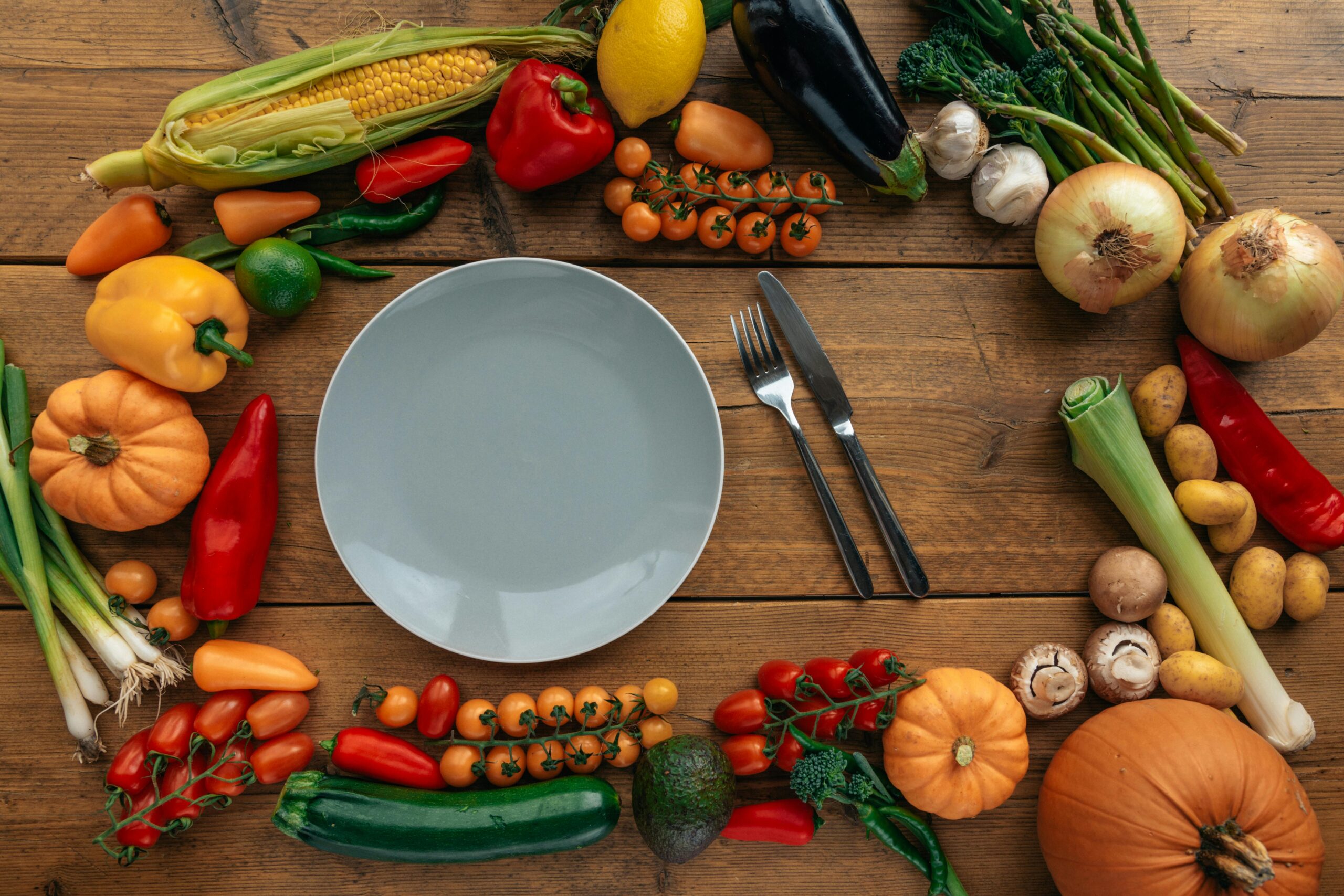
To counteract/improve diarrhea and acute diarrhea, it is important to eat the right amount of fiber in your diet. Fiber-rich foods that are also gentle on the stomach are, for example, cooked/baked/stir-fried root vegetables, zucchini, eggplant, green beans, potatoes, pineapple, citrus fruits, banana, rhubarb, blueberries, raspberries, strawberries, walnuts, peanuts, buckwheat, quinoa, oats… If you often have diarrhea, you should also think about drinking extra!
Keep in mind that too much fiber can aggravate your problems. Be moderate with wholemeal bread and wholemeal flakes. Finely ground cereal products (e.g. crispbread) often work better than bread with whole grains and seeds. Eat small amounts of high-fiber foods at each meal rather than large amounts of fiber at once and the same time.
Eat at regular times
Eat breakfast, lunch, dinner and 1-3 snacks at regular times each day. If you eat often and regularly, it is easier to eat smaller portions. Remember to not only introduce snacks but also limit the size of the main meals – otherwise, it can be too many calories. Take time when you eat – chew carefully and let the meal take about 15-20 minutes. Do not eat too late in the evening. Eat no later than 2-3 hours before going to bed.
Fruit and vegetables
Berries usually work better than fruits. But remember not to eat too much fruit – a maximum of three fruits or portions of berries per day and not at the same time. Chew carefully and peel. Banana, blueberries, corn gruel/rice gruel, flour food as pasta, white bread and pancakes, carrot puree / boiled carrot, rice, almonds/nuts, black/green tea consumption can be reduced. Cooked / stir-fried / oven-baked root vegetables and vegetables are often better tolerated than raw vegetables.
Avoid spicy or fatty foods
Fatty foods and spicy foods can cause diarrhea – e.g. pizza, chilli, fried foods, cream sauces, ice cream, pastries. Reduce the amount of these. Same goes for alcohol.
Probiotics
Kind bacteria – probiotics (lactic acid bacteria) – can have a positive effect on intestinal function if you eat them daily. These bacilli are added in certain types of fillets and yogurts as well as in certain fruit drinks but are also available in the form of capsules, drops and tablets.
If you have not noticed the effect of daily use of a particular probiotic product after 4 weeks, there is no reason to continue with that particular product. You may not have found the right composition for your gut. Just because a type of probiotic does not work does not preclude another product from having the desired effect. Each product has its own composition of bacteria.
Do not exclude foods unnecessarily
Do not exclude foods if you are not sure they cause symptoms. If you suspect that a food is causing problems – exclude it consistently for 1-2 weeks. If you do not notice any improvement, reintroduce the food again. If you exclude too many foods, you risk that the diet will be both one-sided and poor in nutrients – and sometimes socially inhibiting.
Which foods affect gastrointestinal symptoms is very individual and just because they obviously cause symptoms one day, they do not necessarily have to do it another day. Many things affect digestion!
Diarrhea and acute diarrhea can have several causes and some questions you can ask yourself are…
- Do you chew carefully enough?
- Do you eat slowly enough?
- Are you stressed or anxious?
- Have you slept badly?
- Is there a lot of fat in the food?
- Do you drink alcohol?
If you agree with any of the following, it is especially important that you see a doctor:
- Is over 50 years old and has new gastrointestinal problems.
- Has involuntarily lost weight and/or has decreased appetite.
- Have had diarrhea for more than a week.
- Has blood in the stool.