Diet for diverticulitis: The dietitian gives advice on diet
Good diet for diverticulitis
There is no specific recommendation regarding diet for diverticulitis other than thinking about the consistency of the foods you eat. You should always be careful with stringy foods, shells, kernels and seeds. Remember to chew your food carefully. A good guideline can be that if you can easily mash/decompose the food with a fork, the easier it is to pass through the gastrointestinal tract.
Vegetables
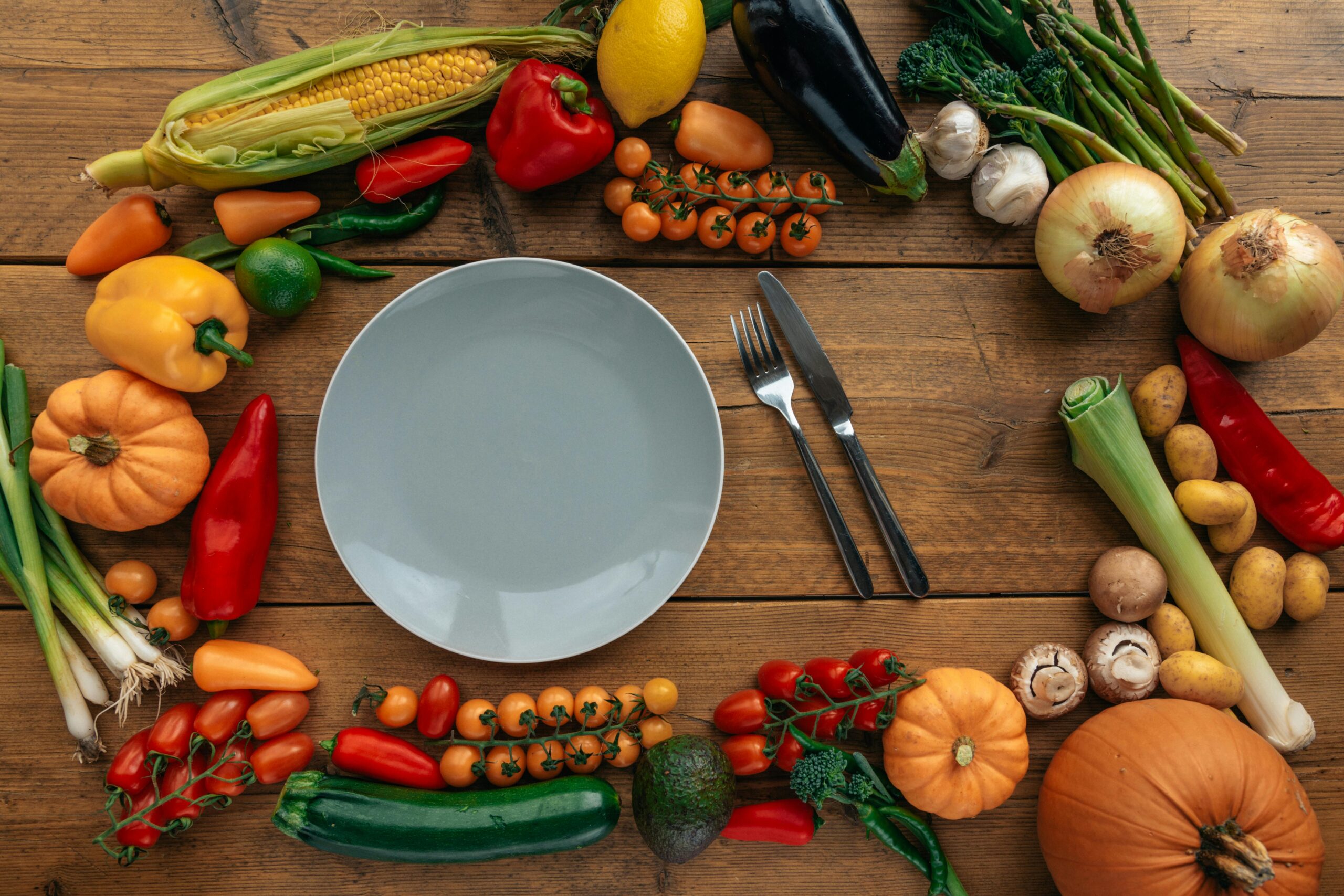
Cooked vegetables and cooked roots work best. Asparagus and broccoli stalks are e.g. stringy so they should be avoided to be eaten as they are but minced and cooked in e.g. soup they work fine. Mushrooms should also be minced before eating them. Peel a squash, grate it and squeeze the juice. You should also mince peas, corn, beans before eating them.
Fruits and berries
Excessive fruit intake can lead to a lot of gases, so limit the intake to 2-3. per day. Do not forget to peel all the fruits (not just bananas and oranges)! Keep in mind that the thin membranes around orange wedges (or other citrus fruits) can also get stuck in narrow passages in the intestine or intestinal pockets, so use a sharp knife and fillet the orange. Suck the contents of the grapes and ignore eating the peel.
Nuts and seeds
These can get stuck in intestinal pockets. Mince or avoid whole seeds. Rather eat bread with finely divided fiber such as crispbread and high-fiber soft bread without whole grains and seeds.
Meat
Avoid stringy and tough meat. Cooked meat works best. Chew carefully.
Fish and seafood
Rarely problems with boiled fish. Seafood can sometimes be stringy foods such as crab and sometimes even shrimp.
Summary
Mash, puree, cream and soup usually work well and rarely cause symptoms. Remember to eat varied food from the whole diet circle and use a blender as soon as you want to eat food that is stringy. In order not to involuntarily lose weight, you can enrich the food with energy with, for example, cooking oil, butter, cream, jam and egg yolk.
Feel free to contact a dietitian who can give you personal advice for texture-adapted food and make sure that you get enough nutrition. You can find a dietitian through your health center or search for dietitians in your area.