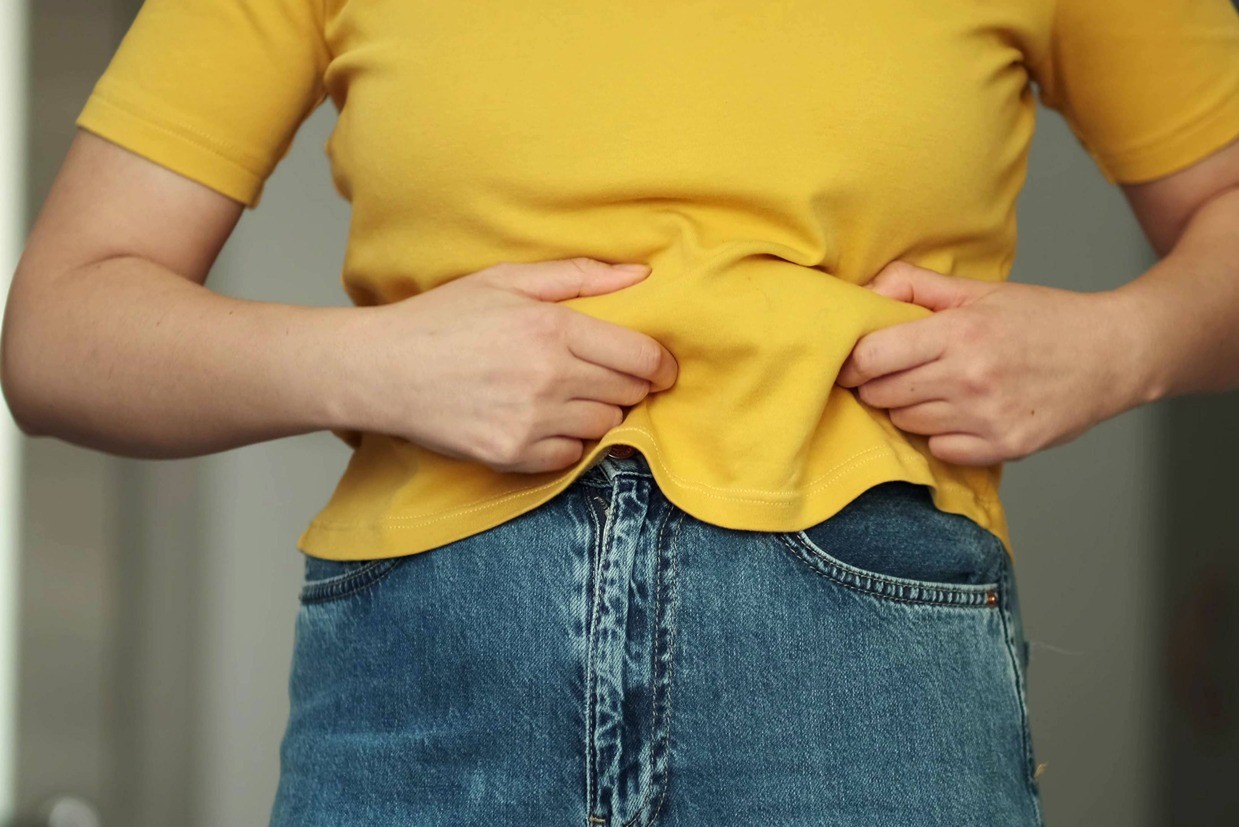
All you need to know about gallstones
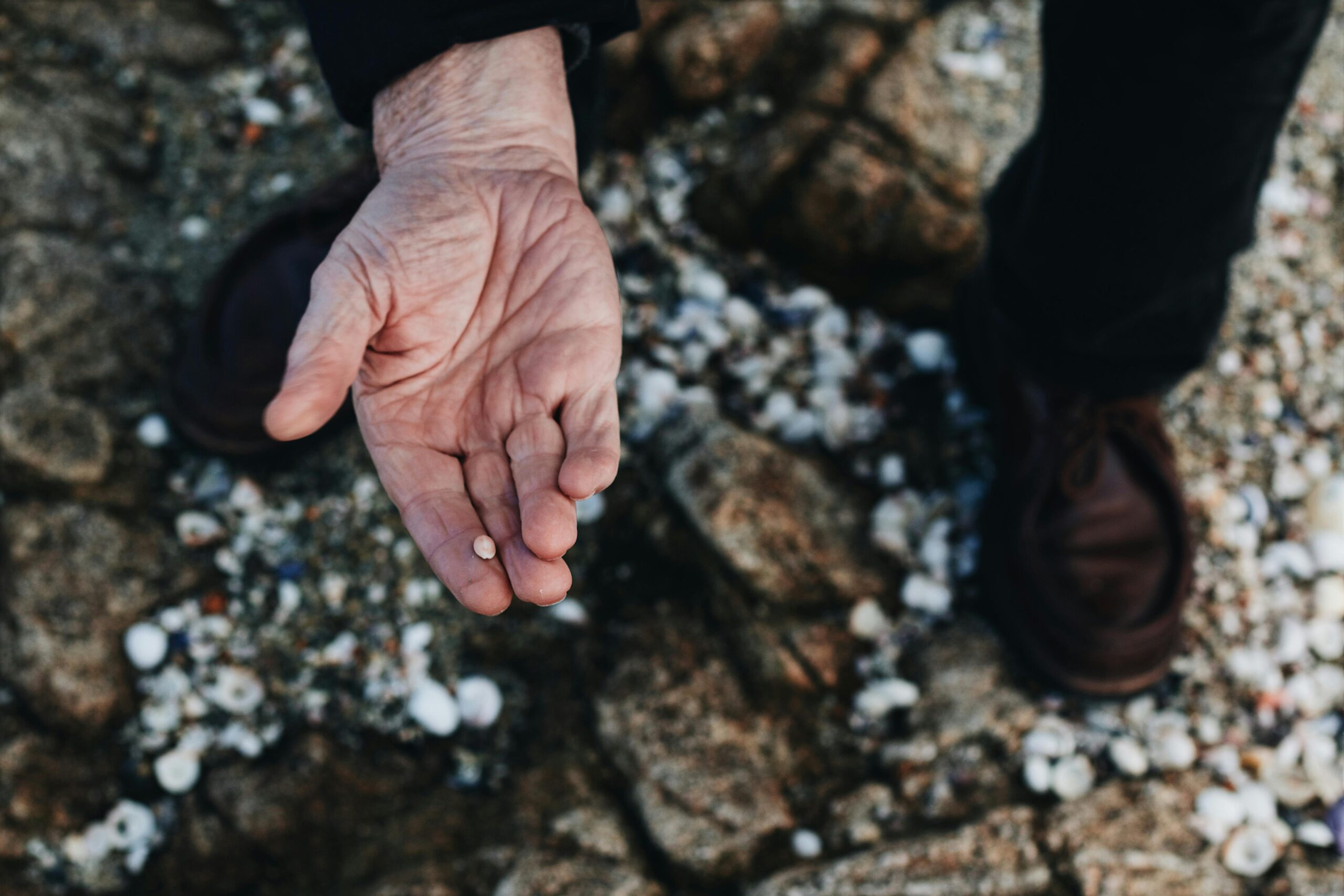
What are gallstones?
Gallstones are crystals that form in the gallbladder, a small organ located under the liver that stores bile. Bile is a digestive fluid that helps break down fats from food. Sometimes, components of bile, such as cholesterol or bile salts, solidify and form stones.
Who is at risk?
Certain factors make gallstones more likely:
- Age: More common in people over 40
- Gender: Women are slightly more at risk than men
- Diet: High-fat diets increase risk
- Weight: Being overweight or obese
- Other factors: Rapid weight loss, pregnancy, or certain medical conditions
What does a gallstone attack feel like?
A gallstone attack can happen suddenly, often after eating a fatty meal. Key features include:
- Severe pain in the upper right abdomen, sometimes radiating to the back or right shoulder
- Cramping or sharp pain that may come in waves
- Nausea or vomiting may occur
These attacks are usually short-lived, lasting from minutes to a few hours, but the pain can be intense.
Why do gallstone attacks happen?
Gallstone attacks occur when:
- Bile forms large crystals that harden into stones
- The stones block the flow of bile from the gallbladder into the intestines
- Pressure builds up in the gallbladder, causing pain
If a gallstone completely blocks a bile duct, it can lead to inflammation or infection of the gallbladder, bile ducts, or pancreas, conditions that require urgent medical care.
How are gallstones managed?
Immediate Relief
- Painkillers can help manage the severe pain during attacks
- Antispasmodics may relax the gallbladder and ease discomfort
Long-term treatment
- If attacks are frequent or complications occur, the gallbladder can be surgically removed (cholecystectomy)
- After removal, most people digest food normally without serious problems, though a low-fat diet is often recommended initially
When to seek urgent care
Gallstones can sometimes cause complications that need prompt medical attention. Go to the hospital if you experience:
- Sudden, severe abdominal pain that doesn’t improve with painkillers
- Fever or chills
- Yellowing of the skin or eyes (jaundice)
- Persistent vomiting
These signs could indicate gallbladder infection, blocked bile ducts, or pancreatitis.
Preventing gallstones
While not all gallstones can be prevented, you may lower your risk by:
- Maintaining a healthy weight
- Eating a balanced diet low in unhealthy fats
- Avoiding rapid weight loss or fad diets
- Staying physically active
Conclusion
Gallstones are common and can cause painful attacks, especially after eating fatty meals. Most attacks are manageable with medications, but recurrent problems or complications may require surgical removal of the gallbladder. Understanding the symptoms, risk factors, and management options can help you take control of your digestive health and know when to seek medical care.