
Is gluten an enemy of IBS?
What is gluten?
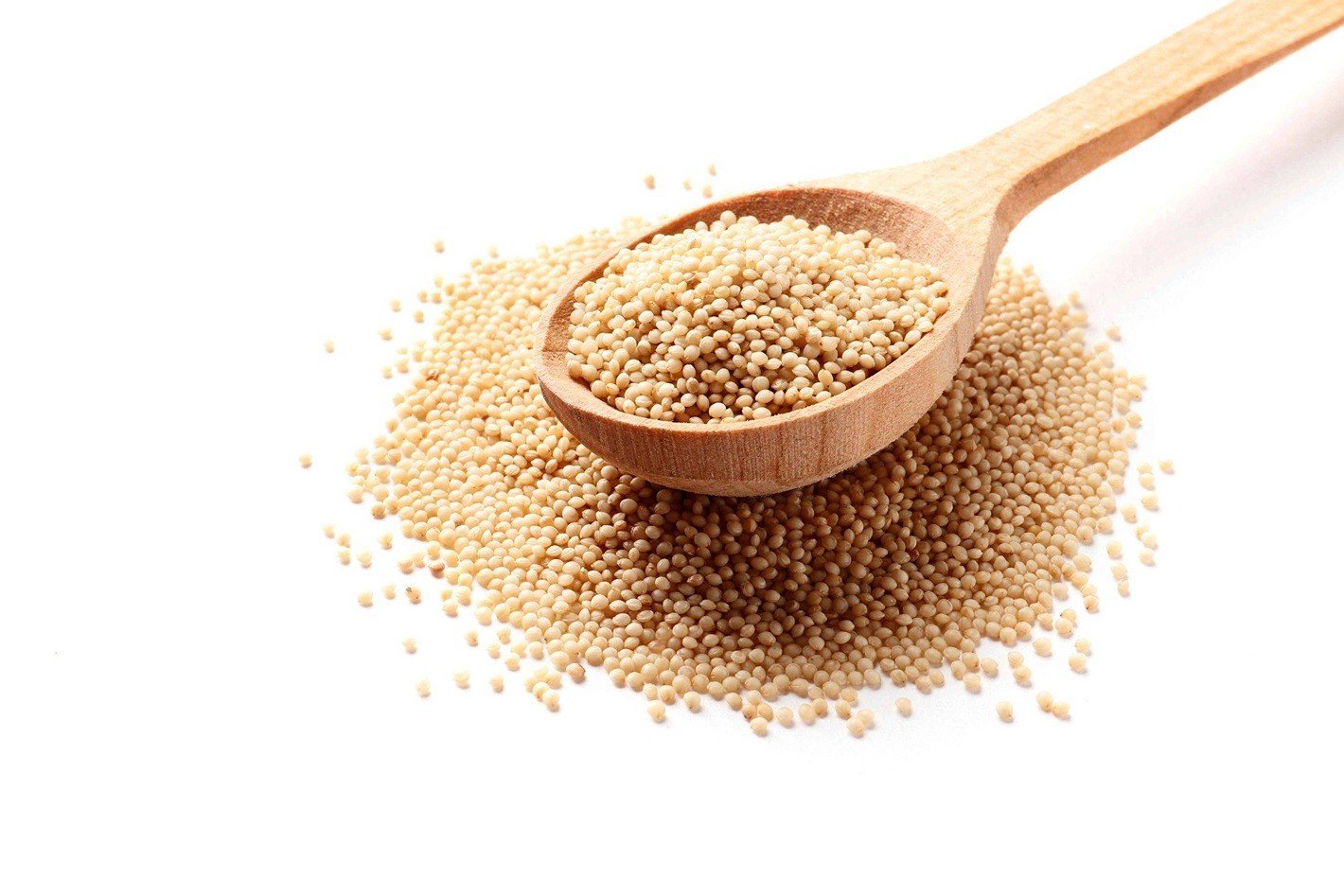
Gluten is a storage protein found in certain grains such as wheat, barley, and rye. It is a component of most conventional flour, bread, cereals, or desserts…
If you have IBS, does gluten worsen its symptoms?
The symptoms of IBS may be triggered by gluten in a certain proportion of IBS patients but there is no strong evidence suggesting completely restricting gluten from the diet unless gluten sensitivity or gluten intolerance was identified.
Several studies also demonstrated that diets high in FODMAPs (fermentable oligo-, di-, monosaccharides, and polyols) generally showed to have a greater impact on the severity of symptoms than diets high in gluten. The issue is that many products containing gluten also contain FODMAPs which makes it difficult to identify whether gluten is the main culprit. (3.) (5.)
Is it possible to have both IBS and gluten intolerance (celiac disease)?
Celiac disease is a genetic autoimmune disorder that causes the immune system to attack its own intestines when gluten is present in the body. It is more common for patients with IBS (mainly IBS-D subtype) to also have celiac disease. (2.) Its symptoms include:
- Diarrhea
- Abdominal pain
- Bloating and gas
You can get tested for celiac disease with blood tests, genetic tests, or intestinal biopsies. Even if your test comes out negative, it might be a good idea to try out the gluten-free diet for some time, if you have a suspicion that it causes you problems. But keep in mind that a gluten-free diet may lead to nutritional deficiencies due to reduced intake of fiber and several micronutrients (zinc, iron, folate…) (6.)
Summary
While there is currently no cure for IBS, it is crucial to identify and avoid the food components that trigger its symptoms. If you are not diagnosed with celiac disease, it is recommended to rather focus on the elimination diet, slowly reintroducing foods into your diet according to your body’s tolerance. (1.)