Pumpkin and IBS
What is a pumpkin?
Pumpkin is a vegetable that belongs to the Cucurbitae family originating from Latin America. Different pumpkin fruit parts (seeds, peels, and pulp) are rich sources of micro- and macro-nutrients, including carbohydrates, fiber, fatty acids, vitamins, and carotenoids.
What nutrients does pumpkin contain?
The nutrient composition of different types of pumpkins may slightly differ depending on the type and origin of the pumpkin. All of them are however nutritionally rich food products that are beneficial for overall health.
Fiber
Pumpkin is a great source of soluble and insoluble fiber. Both types of fiber are essential for proper bowel function.
Insoluble fiber can increase stool bulk and water content, softening
the stools and thus way providing relief for constipation.
Soluble fiber slows down digestion, may increase the amount of ‘good’ gut bacteria, absorbs excess water and this way helps prevent diarrhea. Too much soluble fiber can however lead to bloating, increased gas production, and abdominal pain. In some IBS patients (especially IBS with constipation), their symptoms may worsen with too much intake of this type of fiber.
Carotenoids
Carotenoids are known to be natural pigments between the colours orange, yellow, and red. They are great antioxidants and help relieve inflammation in the gut, thus alleviating abdominal pain. The most common carotenoid is β-carotene (found also in carrots) which is an important source of vitamin A. Vitamin A protects the gut lining and promotes proper immune function.
Oleic acid
Pumpkins, especially their seeds, contain many essential fatty acids, both mono- and polyunsaturated. One of the most important fatty acids that they contain is oleic acid. Evidence suggests that oleic acid has effective anti-inflammatory properties. Pumpkin oil made from the seeds is also rich in oleic acid. This oil can be used for cooking and to prepare salad dressings or marinades.
Vitamins and minerals
Pumpkins are an excellent supply of potassium, iron, magnesium, zinc, selenium, etc. These make it a great weapon against many different types of diseases. Interestingly, the high content of zinc can help convert the amino acid tryptophan to the hormone serotonin in the brain which helps improve mood and alleviate depression (often associated with IBS).
Is pumpkin low-FODMAP?
According to the FODMAP app by Monash University, up to 250 g of pumpkin and up to 2 tablespoons of pumpkin seeds are considered low-FODMAP.
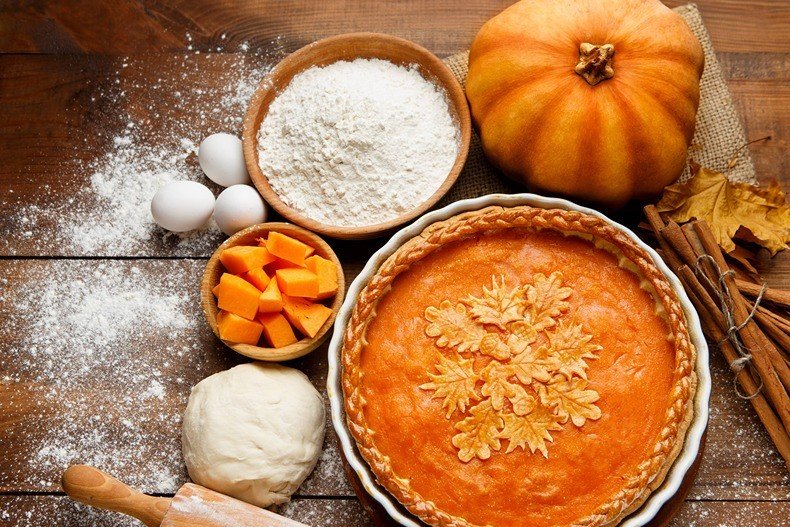
Is it okay to indulge in the pumpkin pie this season?
Although pumpkin with its high content of nutrients and low content of carbohydrates could help improve IBS symptoms, it might be a bit more tricky in the form of a pumpkin pie. The pie (especially when not homemade) contains also other ingredients that could trigger IBS flare-ups.
It’s rather recommended to opt for a roasted pumpkin or to snack on pumpkin seeds. But if autumn does not feel right without a good old pumpkin pie, try out a homemade recipe from Monash University.